Płaszów camp and the world of Schindler's List
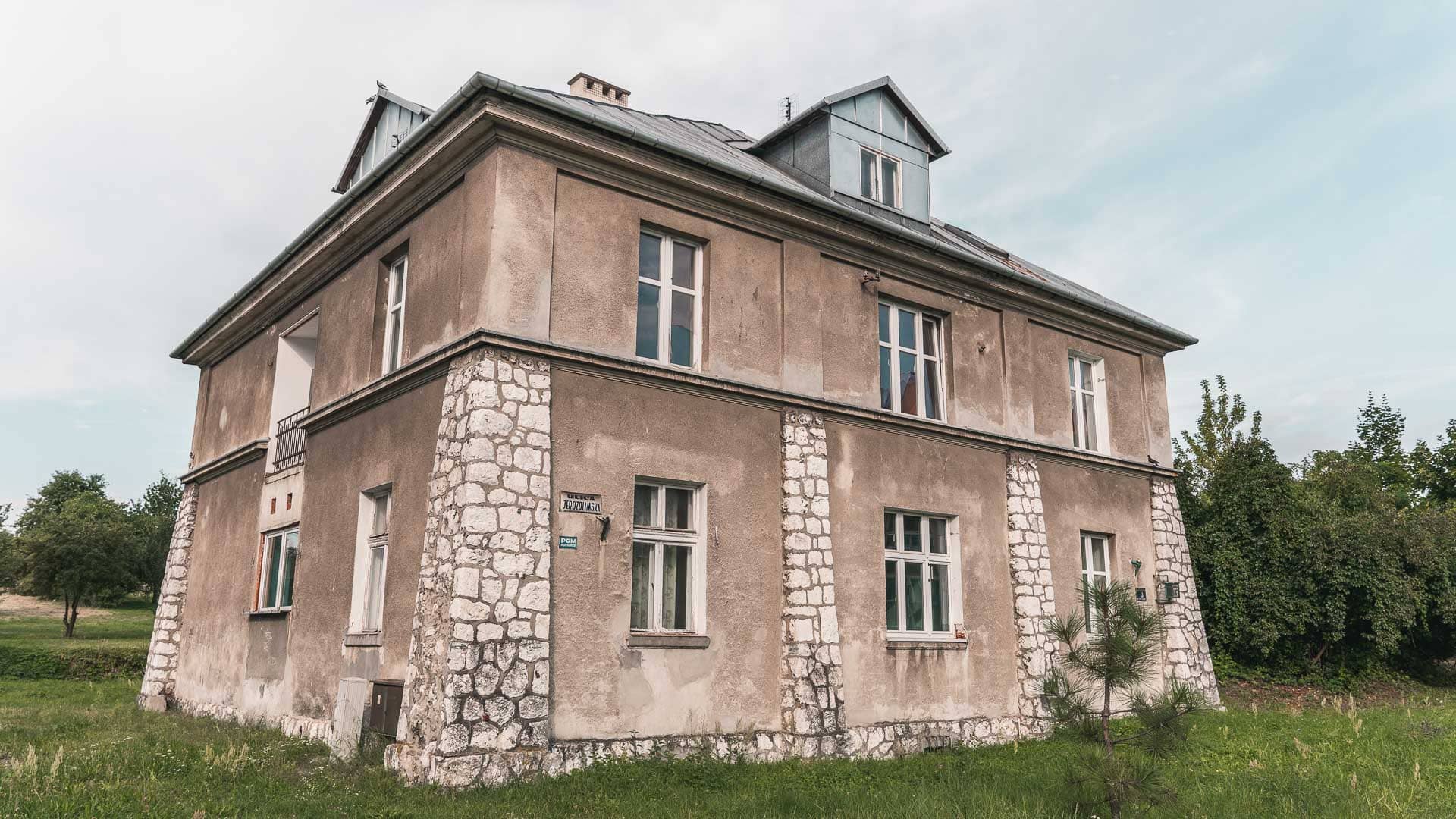
On a modern map of Kraków, Płaszów looks quite ordinary – an area of low hills, grass, apartment blocks and pathways just a short drive from the centre. It takes some imagination to see that this landscape once held one of the most important German Nazi forced labour and concentration camps in occupied Poland, and that it forms the real-world backdrop to the story told in Schindler's List.
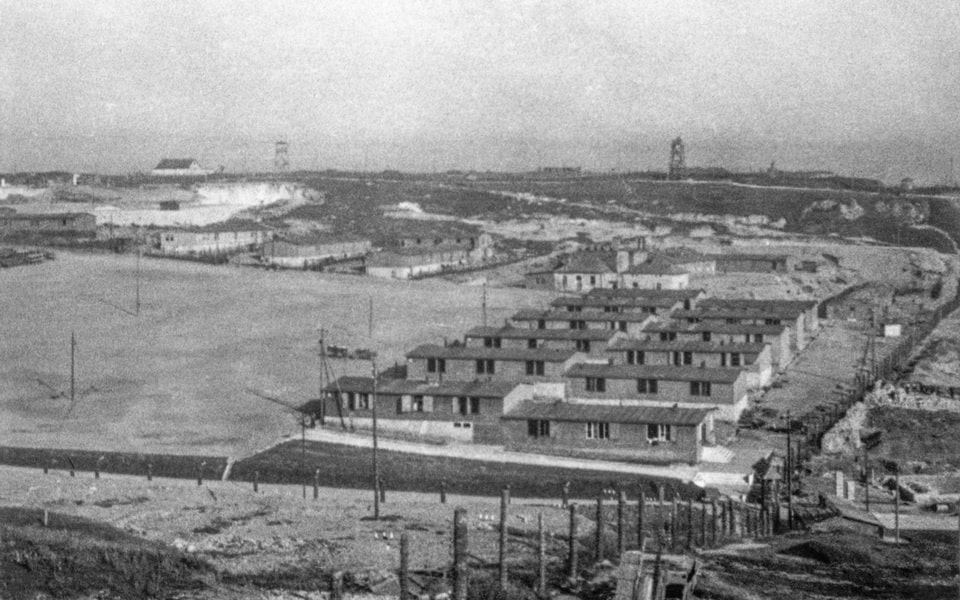
Unlike Auschwitz, Płaszów has very little original camp architecture above ground. Most barracks and fences were dismantled or destroyed after the war. What remains today is a layered landscape: quarries where prisoners worked, mass grave areas, roadside memorials, traces of foundations and a handful of surviving structures. Walking here, especially with some background, can be a powerful experience – not because of preserved buildings, but because of how ordinary the land looks compared with what happened on it.
This guide is designed to give you a calm, clear overview of Płaszów and the wider world of Schindler's List before you visit. You do not need to memorise details. Even a general sense of how the camp began, who was held here and how it connects to the Kraków ghetto and Oskar Schindler's factory will help you recognise key places once you are on the ground.
Before the camp: Kraków, Podgórze and the Jewish community
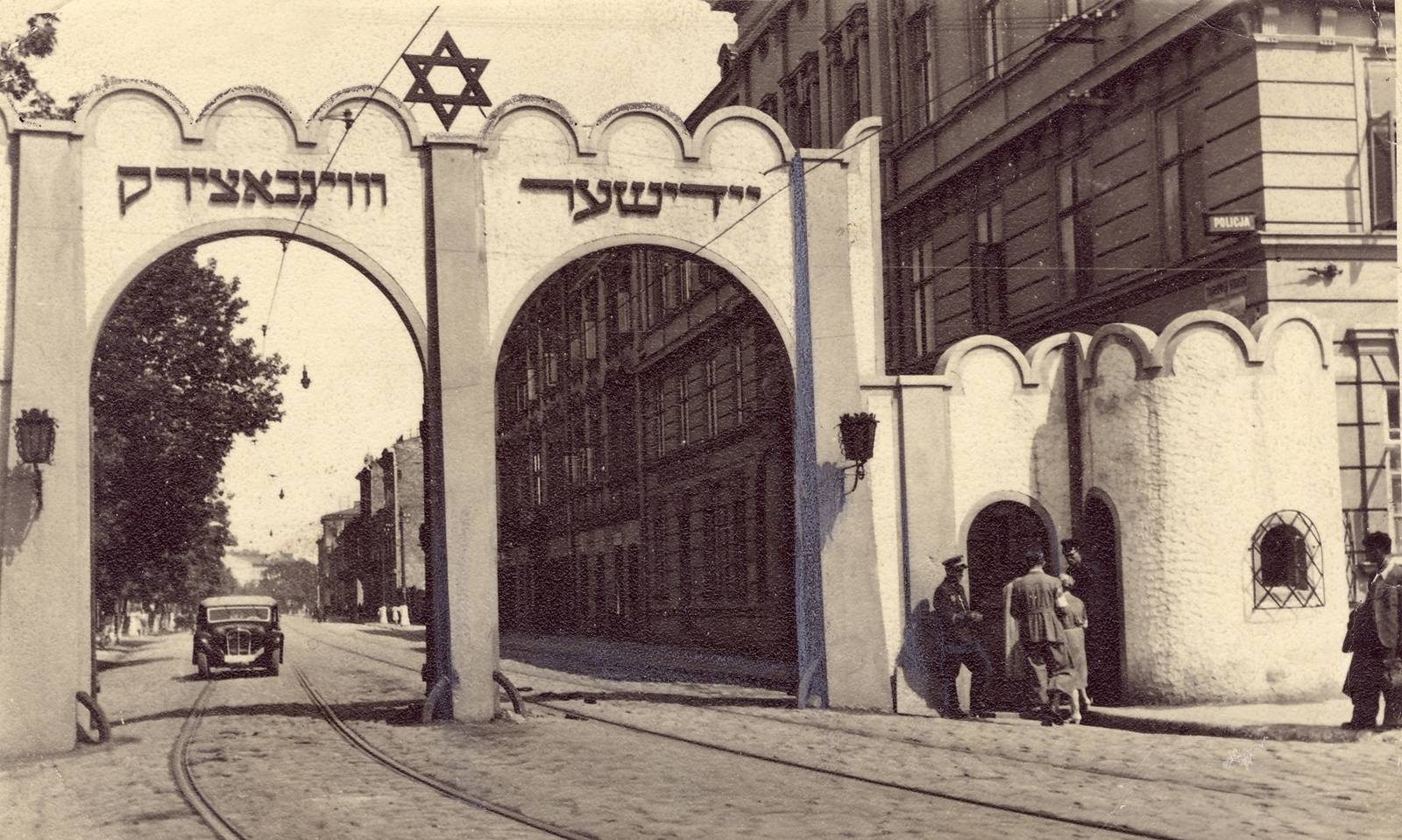
Before the Second World War, Kraków was home to a large and vibrant Jewish community. In districts such as Kazimierz and Podgórze, synagogues, workshops, schools and family homes shaped everyday life. People lived side by side – Poles, Jews, other minorities – in a pattern that had evolved over centuries.
When Germany invaded Poland in September 1939, the occupation authorities quickly began to reshape the city. Jewish businesses were seized, rights were restricted, and by 1941 the Nazis had created a walled ghetto in the district of Podgórze, across the river from the Old Town. Thousands of Jews were forced to move there from other parts of Kraków and the surrounding region, while non-Jewish residents were pushed out.
Conditions in the ghetto were harsh. Overcrowding, hunger, disease and forced labour were part of daily life. At the same time, the German authorities were planning a wider network of camps and work sites to exploit Jewish labour and, ultimately, to carry out mass murder. Płaszów, located on quarries and open ground just beyond the ghetto, became one of the key pieces in this system.
How the Płaszów camp was created
The site chosen for the camp lay on and around two Jewish cemeteries – the old and new cemeteries of the communities of Podgórze and Kraków – together with nearby quarries. In 1942, forced labourers began dismantling tombstones, clearing graves and levelling ground. Gravestones were reused as paving stones and building materials. This act of destruction and desecration was the foundation of the camp's construction.
The first stage was the creation of a forced labour camp for Jews (*Zwangsarbeitslager*), officially established in 1942. Prisoners from the Kraków ghetto and other locations were brought here to work in workshops, quarries and local factories, including Oskar Schindler's enamelware plant on nearby Lipowa Street. Over time, the camp expanded, with new barracks and fences enclosing a growing number of prisoners.
In early 1944, Płaszów was formally redesignated as a concentration camp (*Konzentrationslager Plaszow*). This change in name reflected the reality on the ground: an increasingly brutal regime, higher mortality and the integration of Płaszów into the wider German concentration camp system, with tighter control from SS headquarters.
Location and landscape – why here?
Several factors made this hillside location attractive to the German authorities:
- Proximity to Kraków and the ghetto – Płaszów was close enough to make the transport of prisoners and labour practical, yet far enough from the historic centre to keep the worst abuses out of sight.
- Existing quarries – The stone quarries provided both work for prisoners and material for construction projects. They also created natural depressions and slopes that later became execution and burial sites.
- Space to expand – The uneven, hilly terrain allowed the camp to sprawl across multiple ridges and valleys, with guard towers controlling sightlines and movement.
- Jewish cemeteries – Building over cemeteries served both practical and ideological purposes: it provided land and sent a deliberate message of humiliation and contempt to the Jewish community.
Today, when you stand on one of the grassy hills or look down towards the quarries, it can be hard to imagine the dense forest of barracks, fences and watchtowers that once filled the area. Having a map or a guide who can point out where different camp sectors once stood can help you reconstruct the lost layout in your mind.
Who was imprisoned in Płaszów?
Płaszów held several overlapping groups of prisoners during its existence. The largest was the Jewish population of Kraków and the surrounding region, but there were also others.
Jews from the Kraków ghetto and beyond
The majority of prisoners were Jews deported from the Kraków ghetto, which was gradually liquidated in a series of actions in 1942 and 1943. During these operations, many people were shot on the spot or sent directly to extermination camps such as Bełżec and Auschwitz. Others were selected for forced labour and directed to Płaszów.
Later, Jews from other towns and smaller ghettos in the region also arrived at Płaszów. Families were broken up; people were assigned to different barracks and work details. The camp became a holding and transit point within a wider system of deportations and killings.
Polish prisoners and others
Over time, Płaszów also held non-Jewish Polish prisoners, especially political detainees, and people accused of aiding Jews or resisting the occupation. There were also smaller numbers of prisoners of other nationalities, reflecting the mixture seen in many camps across occupied Europe.
For all these groups, life in Płaszów meant overcrowded barracks, hunger, long hours of forced labour, arbitrary violence and the constant threat of execution or deportation.
Amon Goeth and the camp command
One name is particularly associated with Płaszów: Amon Goeth, the Austrian SS officer who commanded the camp for much of its existence. He became widely known through his portrayal in Steven Spielberg's film Schindler's List.
Goeth lived in a villa on a hill overlooking the camp, from where he could see large parts of the compound. Survivor testimonies describe his extreme brutality and volatile behaviour: random shootings, public hangings, beatings and relentless terror as a tool of control. He was arrested by the SS in 1944 on corruption charges and later handed over to the new Polish authorities after the war. In 1946 he was tried in Kraków, convicted of war crimes and hanged.
It is important to remember that while Goeth became the symbol of Płaszów's cruelty, the camp system did not depend on one man alone. A network of SS officers, guards, functionary prisoners and collaborators maintained daily operations. The violence of the camp was not only the result of individual sadism, but of a system deliberately designed to dehumanise and exploit.
Daily life in the camp
For prisoners, daily life in Płaszów followed a grim rhythm. The details varied over time and from one work group to another, but some patterns were common.
Each day began with early roll call, often in the dark, regardless of weather. Prisoners were counted, sometimes several times, as they stood in lines. Any confusion, missing person or perceived disorder could lead to beatings or collective punishment.
Work followed: long hours in quarries, workshops, storage depots or on construction details. Prisoners moved stones, built roads, stitched uniforms, repaired equipment or worked in related factories in the wider area. Food rations were minimal – just enough to keep people working, but often not enough to prevent weight loss, illness and exhaustion.
At night, prisoners returned to barracks so crowded that there was scarcely room to lie down. Lice, fleas and disease were constant companions. Sanitary facilities were basic and overused. Medical care was minimal. In such conditions, small acts of solidarity – sharing food, passing on news, helping someone stand during roll call – could be a matter of life or death.
Executions and mass graves
Płaszów was not only a place of forced labour; it was also a site of mass shootings and executions. Several areas of the camp and its surroundings served as killing grounds and mass grave sites. These locations are among the most important places you may visit today.
Prisoners were shot for many reasons – attempted escape, resistance, minor infractions, or simply as part of broader actions intended to spread fear. Groups of people from outside the camp, including members of the Polish underground and inhabitants of the Kraków ghetto, were also brought to Płaszów to be murdered.
After the war, investigations and exhumations revealed multiple layers of graves. In some cases, bodies had been burned or attempts made to destroy evidence, especially in the later phase of the camp when the Germans were trying to cover their tracks.
Płaszów and Schindler's List – film and reality
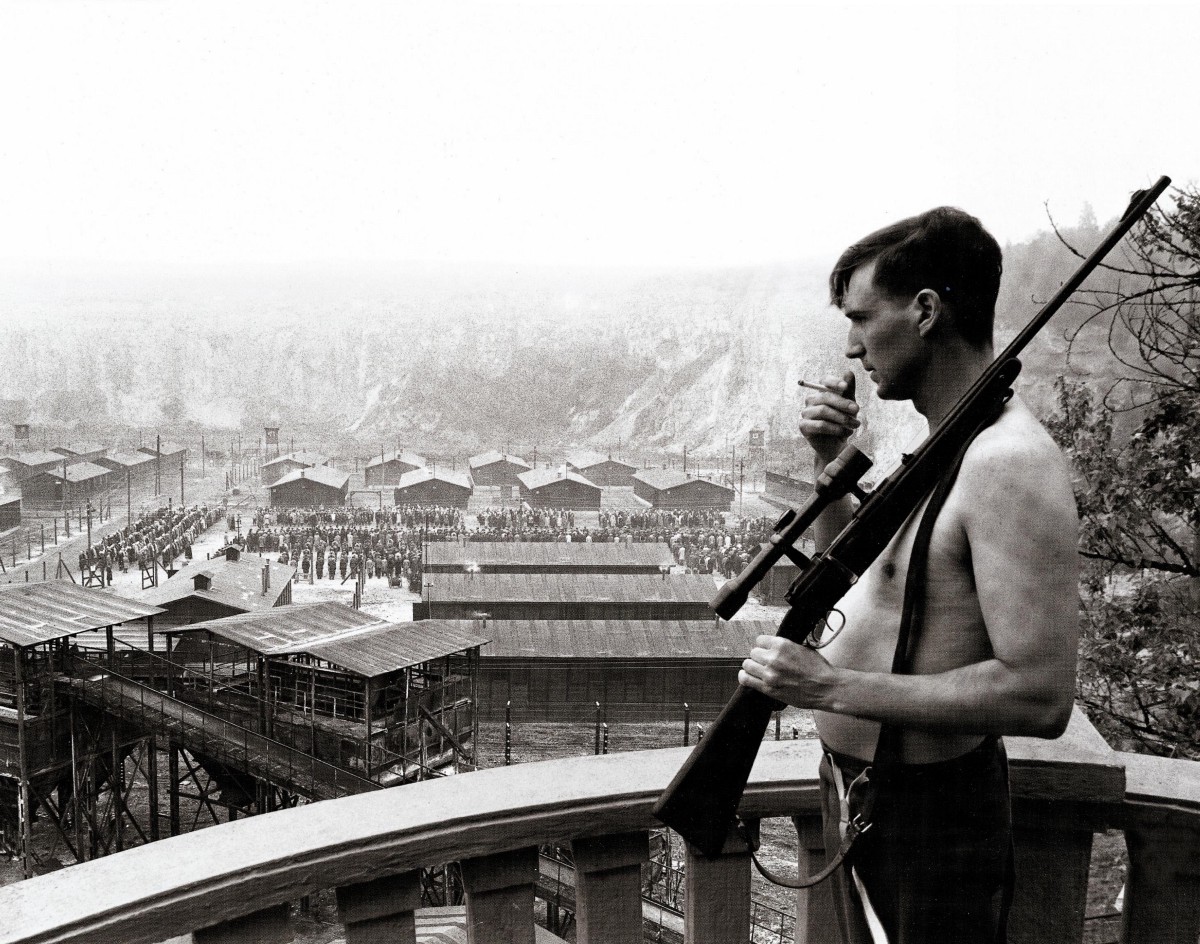
For many visitors, their first contact with the story of Płaszów and the Kraków ghetto comes from Schindler's List. The film is based on real people and events, but it also compresses time, merges characters and alters certain details for cinematic storytelling.
A few points that can help you connect what you see on screen with what you will encounter in Kraków:
- The ghetto liquidation scenes – The shocking scenes of the Kraków ghetto being liquidated, with people dragged from buildings and shot in the streets, are based on real actions in March 1943. Many of those who survived these operations were sent to Płaszów.
- Goeth's villa and the camp hillside – The film shows Goeth shooting at prisoners from his balcony. While specific scenes are dramatised, survivor accounts confirm that he and other officers used the camp as a stage for arbitrary violence, sometimes firing from elevated positions towards the barracks and roll-call areas.
- Schindler's factory and his workers – Oskar Schindler's enamelware factory on Lipowa Street employed Jewish forced labourers first from the ghetto and later from Płaszów. The group of workers later transferred to his new factory in Brünnlitz, the core of the famous “Schindler's list”, were selected from Płaszów.
- Filming locations – Spielberg chose to build a replica of the ghetto and camp rather than film directly in Płaszów. However, he used real Kraków locations such as Kazimierz and Podgórze streets, as well as vantage points that echo the terrain of the camp.
When you walk in Płaszów today, you will not see Hollywood sets or reconstructed barracks, but you may recognise the contours of hills and quarries, the distances between vantage points and the general layout that informed the film's design.
The liquidation of Płaszów and deportations to Auschwitz
As the war progressed and the machinery of extermination intensified, Płaszów's role shifted more and more towards being a transit and selection point. Many prisoners were eventually deported from Płaszów to Auschwitz and other camps, where they were murdered or forced into further labour.
In 1944, German authorities began dismantling the camp in stages. Barracks were taken apart, records were destroyed, and efforts were made to exhume and burn bodies from mass graves to erase evidence. Prisoners were sent on to other camps in the German concentration camp network, including Gross-Rosen, Stutthof and Mauthausen.
By the time Soviet forces reached Kraków in January 1945, the camp had largely been emptied. What remained were partial structures, burial pits and a scarred landscape that would take decades to be fully recognised and protected.
After the war – neglect, memory and new memorials
In the immediate postwar years, Płaszów did not become a museum on the scale of Auschwitz. The land gradually slipped into a kind of uneasy normality. Locals walked dogs, children played, new apartment blocks were built at the edges. Some surviving structures were used for other purposes. For many residents, the area was simply “the hills”, with only a general awareness that “something happened here”.
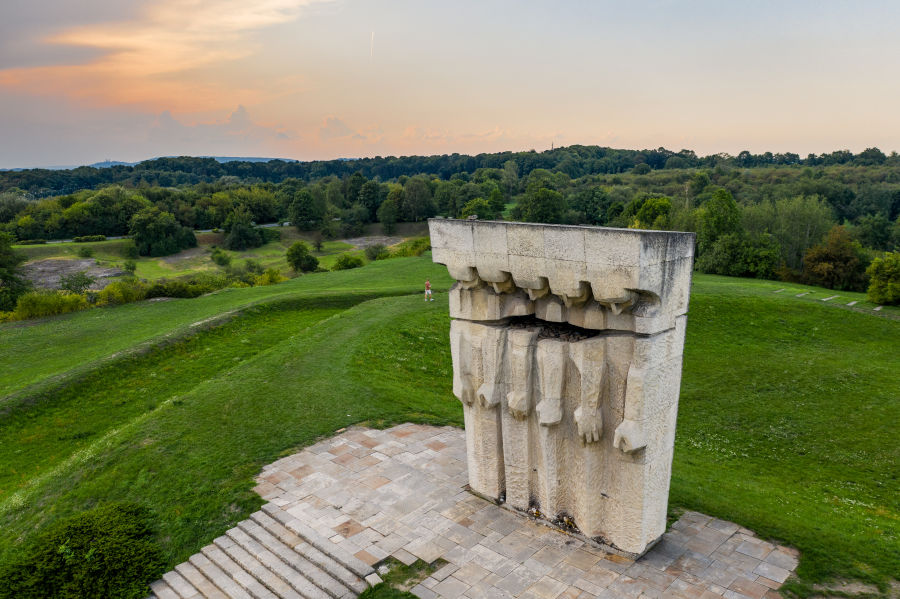
At the same time, survivors, Jewish communities and Polish researchers pushed for recognition and proper commemoration. Over the decades, several memorials and markers were erected, including the large concrete monument that dominates one of the main hilltops today. Smaller plaques, stones and signs identify specific mass grave areas, execution sites and the approximate locations of camp facilities.
In recent years, efforts have increased to protect the site legally, document its history more thoroughly and create a more coherent visitor route. The aim is to balance the needs of local residents who live around the area with the importance of Płaszów as a historic and commemorative landscape.
What you will see during a modern visit
Płaszów is not a museum with ticket booths, exhibition halls and fixed paths. It is an open, unfenced area of hills, grass, woodland patches and paths, dotted with monuments and subtle traces of the past. This makes a guided visit or a good map especially valuable.
Depending on time and interest, a visit may include:
- The main monument – A large, sculptural concrete memorial erected in the 1960s, standing on a hill that overlooks much of the former camp area.
- Mass grave markers – Stone slabs and plaques marking locations of executions and burial pits, often accompanied by simple railings or low walls.
- Quarry areas – The former stone quarries where prisoners worked in exhausting conditions. The contours of these pits and slopes remain visible.
- Traces of foundations – In some places, low concrete or brick outlines mark where barracks or camp buildings once stood.
- Surviving houses and structures – A few buildings that were used by the camp authorities or guards still exist near the site, though they may now serve other functions.
Because the landscape is so open, it can be helpful to pause at certain viewpoints while your host explains what once lay in each direction: where the main camp street ran, where Jewish cemeteries were destroyed, where the perimeter fences stretched and where people were marched to work or execution.
Atmosphere and emotional responses
The mood at Płaszów is different from Auschwitz. There are fewer visitors, no large museum buildings and very little signage. For many people, this makes the experience more intimate and, in some ways, more unsettling. The contrast between the peaceful present – birdsong, dogs, joggers – and the violent past can be difficult to process.
Some visitors feel a strong sense of absence: of the missing barracks, fences and people. Others are struck by specific details – a fragment of wall, an old tree that once stood beside a camp road, a stone bearing an inscription. There is no right or wrong reaction. As with all such sites, what matters is to move through the space with awareness and respect.
A hosted visit allows you to take your time, ask questions and, if needed, step back for a moment when emotions run high. You can also connect what you see here with other places in Kraków: the former ghetto district in Podgórze, the memorial chairs in Ghetto Heroes' Square, or the exhibitions at Schindler's Factory museum.
Connecting Płaszów to Schindler's Factory and the ghetto
To understand Płaszów fully, it helps to see it as part of a wider triangle of locations that together make up the “world of Schindler's List” in Kraków:
- The former Kraków ghetto – The walled district in Podgórze where Jewish residents were confined before many were deported to Płaszów or to extermination camps. Today you can visit Ghetto Heroes' Square, fragments of the ghetto wall and other markers.
- Oskar Schindler's Factory – Schindler's enamelware plant on Lipowa Street now houses a powerful museum about Kraków under Nazi occupation. Exhibitions tell both the wider story of the city and the more specific story of Schindler and his workers.
- Płaszów camp – The place where many Jews from the ghetto were sent to forced labour and from which some, including those on Schindler's famous list, were later transferred.
Visiting these three areas together, whether in a single extended day or over two shorter days, gives you a much richer sense of how occupation shaped Kraków: from the streets where people lived, through the factory floors where they worked, to the hillsides where so many lives ended.
How to prepare and how much to read
You do not need to arrive at Płaszów as an expert on Polish wartime history. Your visit will not be an exam. It is enough to have a basic sense of the following points:
- Płaszów began as a forced labour camp built over Jewish cemeteries and later became a concentration camp.
- It held Jews from the Kraków ghetto and the wider region, along with Polish political prisoners and others.
- It was a place of both forced labour and mass shootings, with multiple mass grave sites.
- Oskar Schindler's story, and the film based on it, are deeply connected to this camp and to the ghetto in Podgórze.
- Very little of the original camp infrastructure survives; today you walk mainly through landscape and memorials.
If you keep these threads in mind, the details you encounter on site – a plaque, a quarry, a monument, a name – will have somewhere to “hook into” in your memory. After the visit, you can always deepen your understanding with books, survivor testimonies or a return to the museum at Schindler's Factory.
Continuing your exploration
For many guests, Płaszów is part of a broader journey that includes Auschwitz-Birkenau, Schindler's Factory, the former ghetto and perhaps other sites in southern Poland. Each place offers a different angle: Auschwitz on the industrial scale of extermination, Płaszów on forced labour and local terror, Schindler's Factory on life in occupied Kraków, the ghetto on confinement and deportation.
All of them together form a single story: the destruction of a community that had helped shape Kraków for centuries, and the complex choices of individuals – perpetrators, bystanders, helpers and victims – in a time of extreme pressure.
When you are ready, you can return to the history guide to read about other locations, or go to the tours page to see how Płaszów can be combined with Schindler's Factory, the former ghetto and Auschwitz-Birkenau into a route that fits your time and interests.