Project Riese & the Owl Mountains
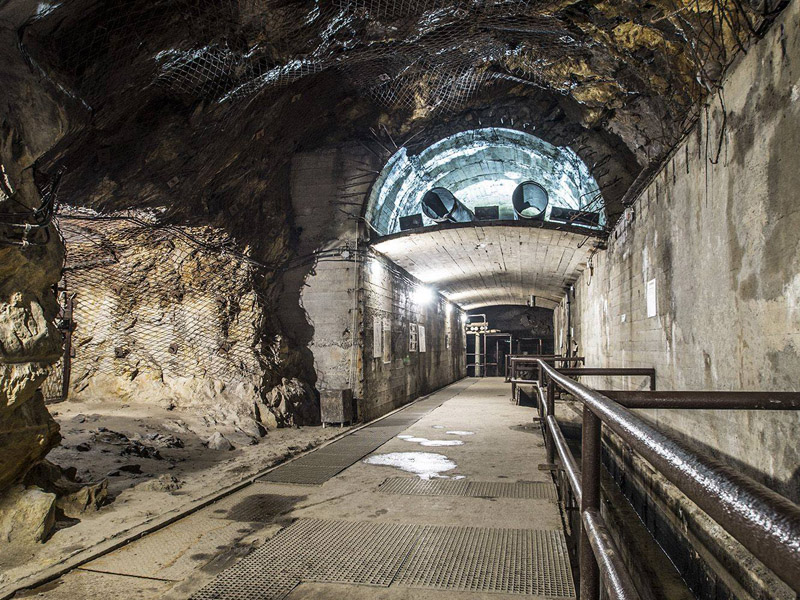
Project Riese (“Giant”) is one of the most mysterious—and disturbing—construction projects of the Second World War. Hidden deep beneath the Owl Mountains of Lower Silesia, Riese consists of multiple unfinished underground complexes linked to the nearby Książ Castle. These vast tunnels were carved using forced labour from Gross-Rosen subcamps, involving brutal conditions, high mortality and enormous secrecy.
Even today, much about Riese is unknown: its ultimate purpose, its planned scale and the full extent of the tunnels. What survives are cavernous halls, kilometres of concrete-lined passageways, blocked shafts, experimental chambers and engineering work far beyond normal military bunkers.
This guide gives you a calm, engaging overview of Project Riese and the Owl Mountains—combining history, engineering, myth-busting and practical details for modern visitors.
The Owl Mountains: why here?

The Owl Mountains (Góry Sowie), part of the Sudetes range, rise quietly but dramatically in southwestern Poland. Covered in dense forest and dotted with quarries, they became strategically important during the war because of:
- Hard, stable geology — ideal for deep tunnelling and resistant to bombing.
- Existing transport routes — rail lines, mining roads and access to Książ Castle.
- Remote terrain — away from major cities and Allied reconnaissance.
- Existing labour sources — the nearby Gross-Rosen concentration camp network.
These conditions allowed huge underground structures to be carved in secret.
Why was Project Riese built?
The exact purpose is still debated, but historians agree on two main goals:
- A secure, underground headquarters complex for Hitler and the Nazi high command (similar to the Wolf’s Lair in Mazury, but far more protected).
- Industrial and armaments production placed underground to protect it from air raids in the final years of the war.
Documents and surviving structures show that Riese was intended to be massive—possibly the largest underground complex ever built in Europe. But the project was far from complete when German forces retreated in 1945.
Forced labour: the human cost
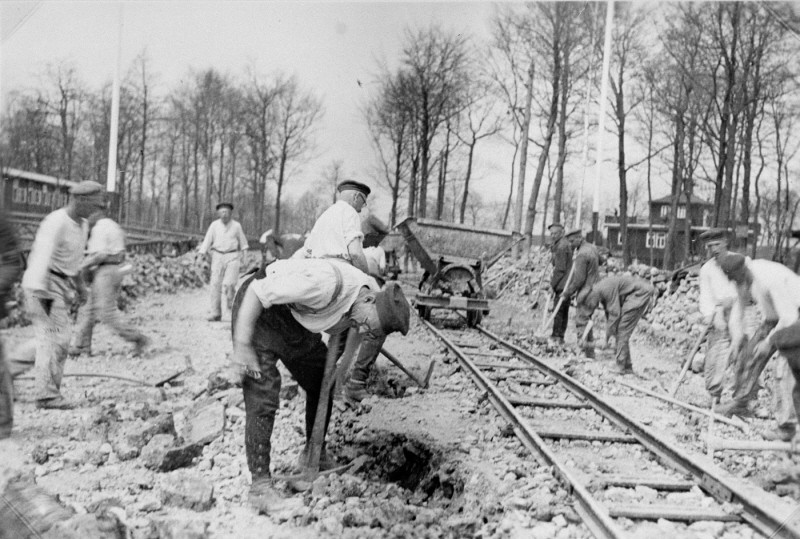
Riese could not have been built without tens of thousands of forced labourers and concentration camp prisoners. Subcamps of the Gross-Rosen system were established at each construction site: Osówka, Włodarz, Rzeczka, Soboń, Jugowice and near Książ Castle.
Conditions were horrific:
- Prisoners worked long hours in water-filled tunnels.
- Ventilation was minimal; explosions produced choking dust.
- Food rations were tiny and diseases were rampant.
- Cold winters at altitude worsened survival chances.
Mortality was extremely high. Many bodies were never recovered. Today, every visit to Riese should be recognised not as adventure tourism but as a visit to a site of human suffering.
The major Riese complexes
Several tunnel systems make up Project Riese. Each has its own atmosphere, engineering features and visitor route.
1. Osówka
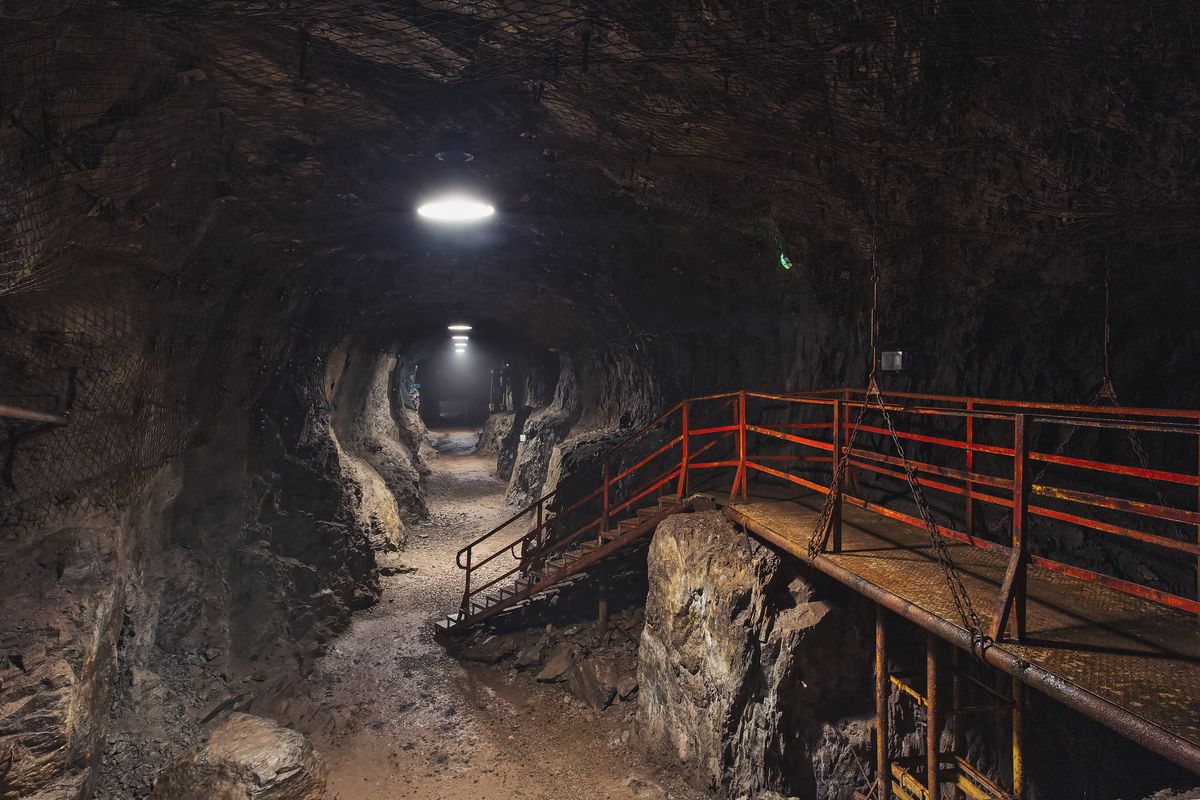
Osówka is the most atmospheric Riese site: enormous reinforced tunnels, partly flooded shafts, and a multilevel system with experimental chambers. Highlights include:
- Vast concrete halls large enough for industrial workshops or command centres.
- Long corridors carved through solid rock.
- Evidence of unfinished ventilation systems.
- A mysterious “Casino”/“Power Station” structure above ground.
The scale alone makes it one of the most impressive underground structures in Poland.
2. Włodarz
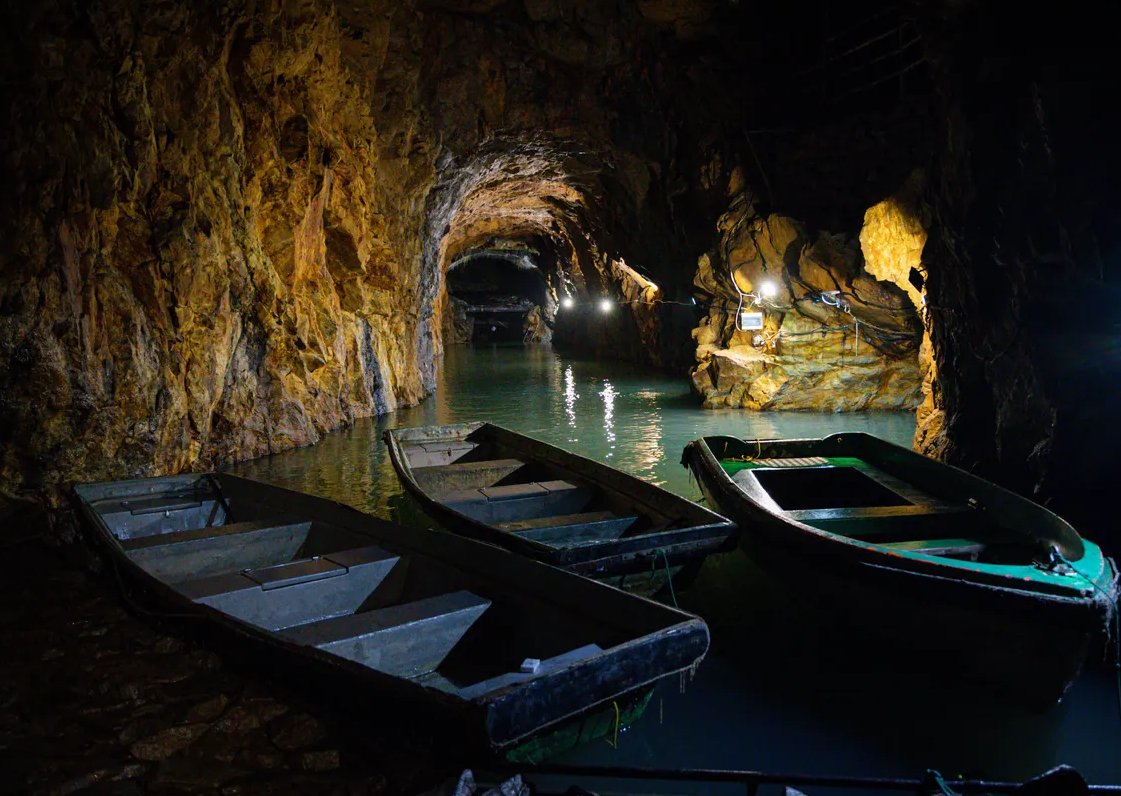
Włodarz is the largest accessible part of Riese. Many tunnels form a partly flooded labyrinth. Boat rides through underground lakes give a surreal impression of the unfinished chambers. Features include:
- Concrete-lined halls with ventilation shafts.
- Massive rock-cut corridors.
- Experimental rooms possibly intended for power or communications.
This site shows clearly how quickly Riese was expanding in late 1944.
3. Rzeczka
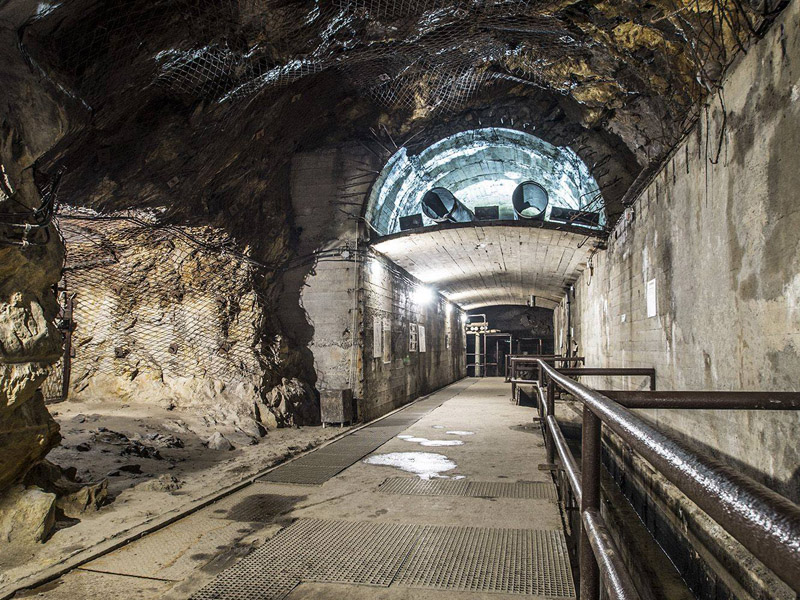
Rzeczka contains some of the most photogenic reinforced tunnels in the region. A museum section explains how the complexes were built, including:
- Period machinery used for tunnel excavation.
- Reconstructions of barracks and work sites.
- Models showing the possible layout of the entire Riese project.
It is the best site for learning the engineering and labour aspects.
4. Soboń, Jugowice, Książ Castle & others
While less accessible, these sites show additional tunnels, ventilation systems and experimental structures. Książ Castle, perched above deep shafts, was being transformed into a secure headquarters with underground command facilities.
Engineering mysteries and theories
Because Riese was unfinished and many documents were destroyed, the complexes have inspired speculation:
- Secret weapons labs? — There is no solid evidence.
- Underground factories? — Very likely parts were intended for this.
- A final Führer HQ? — Strong architectural clues support this.
- Interconnected mega-network? — No complete connection has been proven.
The truth is simpler and more tragic: Riese represents a frantic late-war attempt to move key command and industrial infrastructure underground, regardless of cost.
What a modern visit is like
A typical visit to a Riese site includes:
- Walking through enormous reinforced tunnels.
- Learning how dynamite, drills and forced labour shaped the complex.
- Seeing underground lakes, blocked shafts and dripping rock formations.
- Viewing exhibitions on Gross-Rosen prisoners and wartime construction.
Each complex has its own character: Osówka is dramatic, Włodarz is rugged and flooded, Rzeczka is educational.
Atmosphere of the Owl Mountains
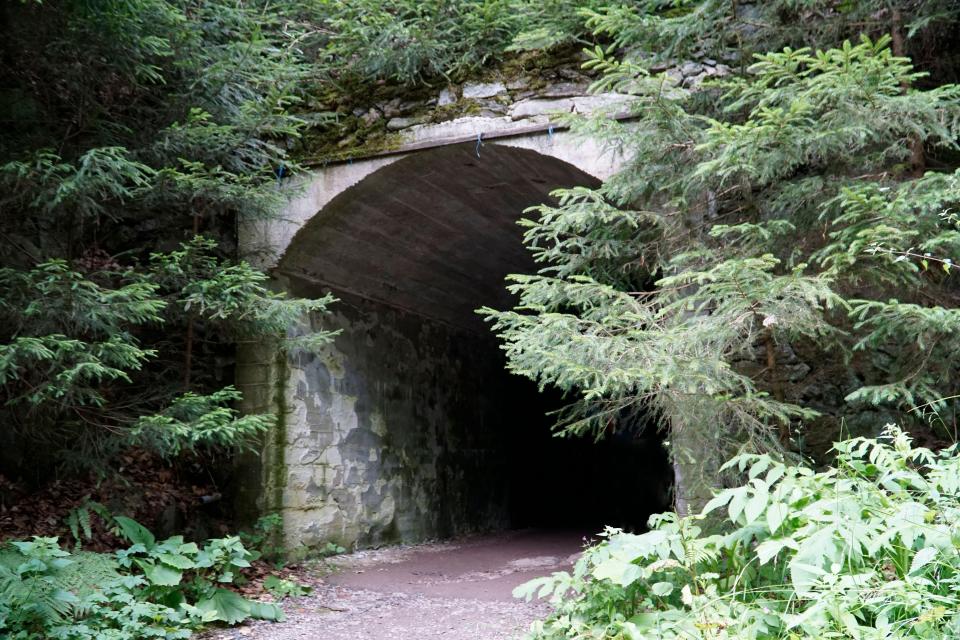
The surrounding region feels untouched: deep pine forests, mountain views, rivers and hidden entrances camouflaged by moss and stone. The contrast between natural beauty and the suffering that occurred beneath the ground is striking for many visitors.
How much to read before visiting?
You do not need to become an expert on the Third Reich’s underground projects. If you know the basics—forced labour, the scale of the tunnels, their unfinished state—you will appreciate the visit deeply.
Continuing your exploration
Project Riese fits naturally into our multi-day routes from Kraków. Many guests combine it with Gross-Rosen, Książ Castle, the Peace Churches, Świdnica, Wałbrzych or the Sudetes region. When you return to the history page you can explore other sites or visit the tours page to see how Riese fits into your itinerary.