Stalag Luft III – “The Great Escape”
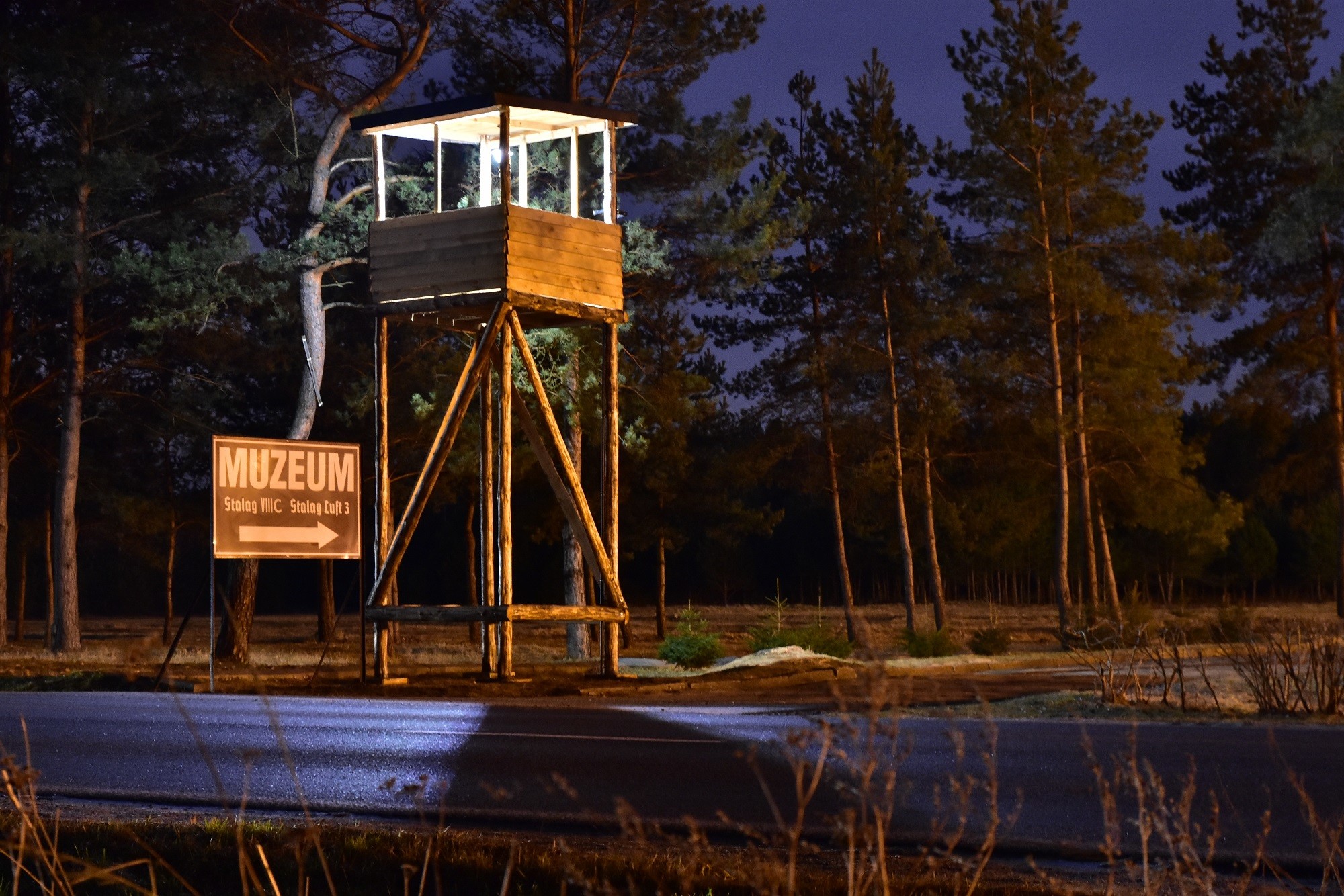
Stalag Luft III, located near Żagań in western Poland, is one of the most famous prisoner‑of‑war camps of the Second World War. It is known around the world because of one event — The Great Escape — the daring 1944 breakout in which Allied airmen dug three massive tunnels (“Tom”, “Dick” and “Harry”) under the noses of the German guards.
The real story is even more gripping than the Hollywood version. The men involved were highly trained aircrew, disciplined, educated and determined to continue the war even while imprisoned. Their goals were simple: escape, return to duty, and force the Germans to allocate as many resources as possible to chasing escaped airmen rather than fighting the war.
This guide gives you a calm, readable introduction to the camp, the prisoners, the tunnels, the escape and what you will see today at one of the most atmospheric WWII sites in Central Europe.
Why Stalag Luft III was created
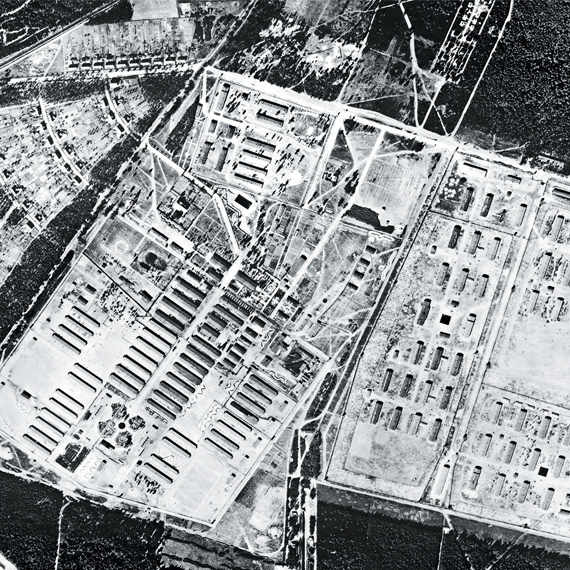
The camp was built in 1942 for a specific purpose: to hold captured Allied aircrew. These men were considered high‑value prisoners because they could return to combat if they escaped. The Luftwaffe, which ran the camp, wanted a place considered “escape‑proof”. Żagań (then Sagan) was chosen for several reasons:
- Remote forests — surrounded by woodland, far from borders.
- Sandy soil — difficult for tunnel construction; it collapsed easily.
- Elevated water table — tunnels would flood quickly.
- Long distances — the nearest friendly territory was hundreds of kilometres away.
The Germans believed this would stop escape attempts. Instead, it inspired some of the most ingenious engineering of the war.
The prisoners: who they were
The camp population consisted mainly of RAF, RCAF, USAAF, Australian, New Zealand, Polish and other Allied airmen. These were not ordinary soldiers. Many were university educated, trained in engineering, navigation, languages, cartography and radio. Inside the camp they formed a highly organised underground system dedicated to escape.
This organisation included:
- “Big X” — the escape coordinator (Roger Bushell).
- Forgers — who created passports, railway passes and stamps.
- Tailors — who crafted civilian clothes from blankets.
- Carpenters — who built tunnel supports.
- “Penguins” — men who disposed of sand by scattering it in their trousers while walking around the compound.
- Mapmakers, language teachers and intelligence gatherers.
The level of organisation was remarkable — a complete underground society dedicated to outsmarting their captors.
The tunnels: Tom, Dick and Harry
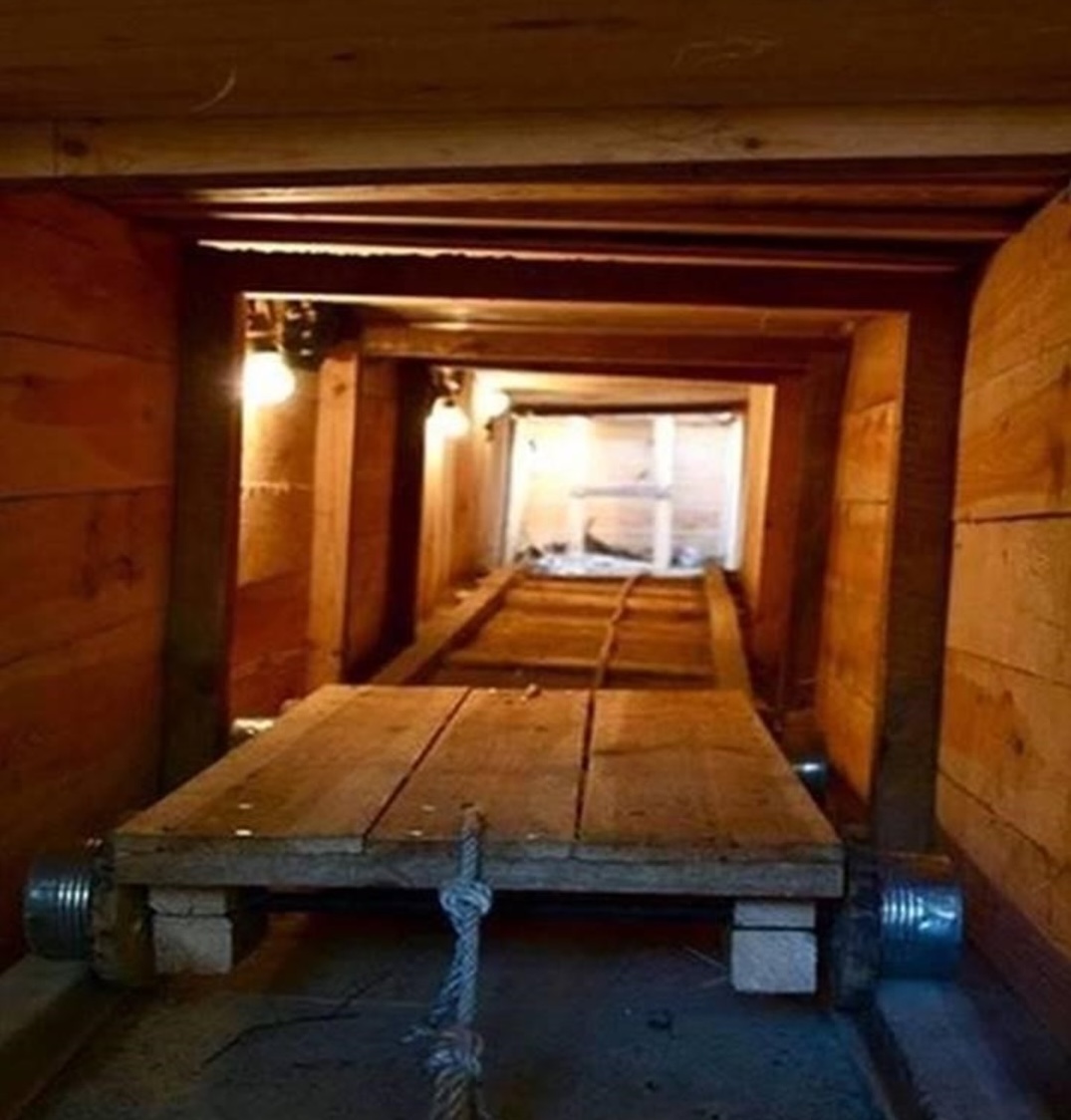
Bushell’s plan was unprecedented: dig three major tunnels simultaneously. If one was discovered, the others could continue. Each tunnel required thousands of hours of work.
Design challenges
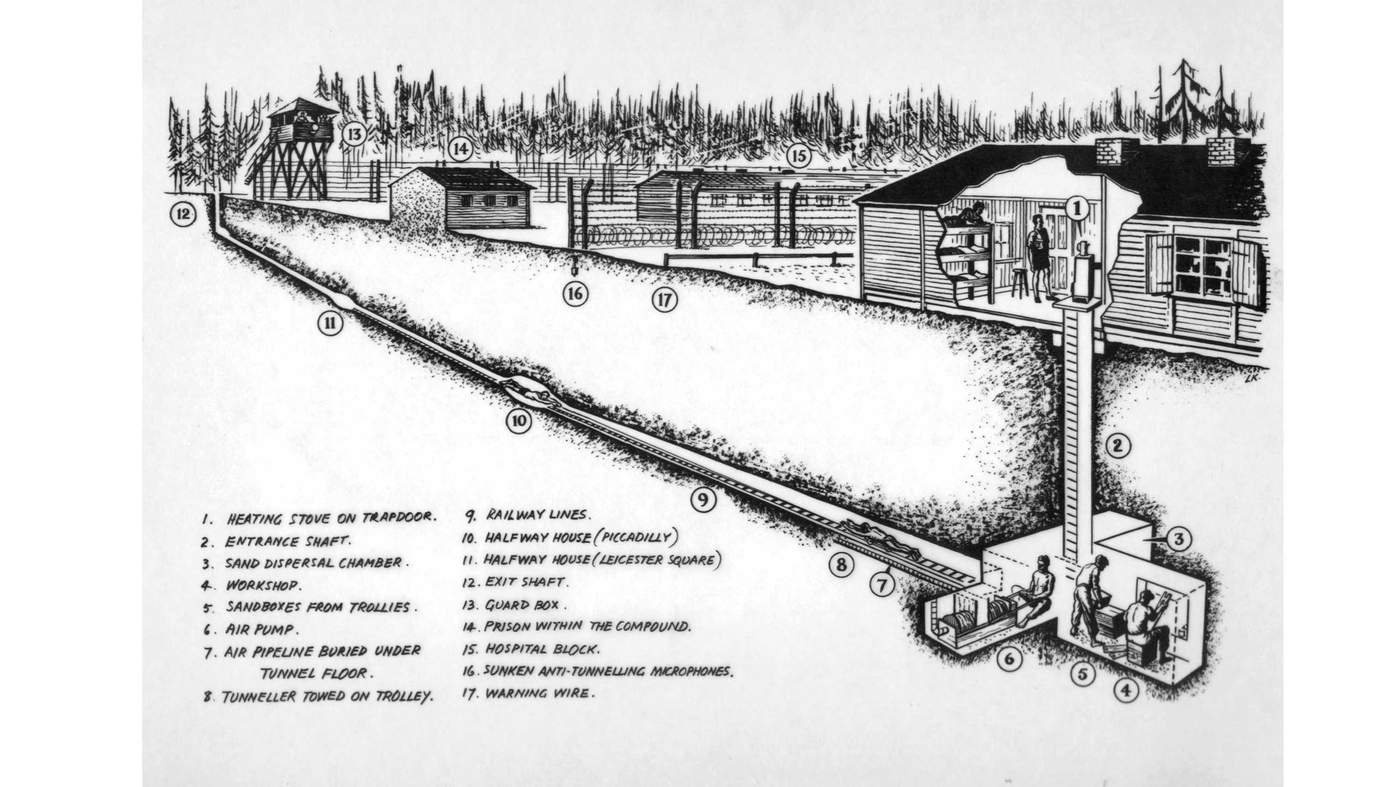
- The sandy soil collapsed without support, so tunnels were lined with wooden slats made from bedboards.
- Air pumps were built from tin cans, hockey sticks, pipes and scrap leather.
- Electric lighting was tapped from the camp wiring using stolen cable.
- Quiet ventilation systems were improvised to keep oxygen circulating.
- Tunnel entrances were hidden under stoves, benches and in latrine blocks.
Each tunnel was about 10 metres below the surface, up to 100 metres long and typically less than 60cm high — barely enough to crawl through.
The fate of the tunnels
- Tom — discovered by the Germans after many months of work and destroyed.
- Dick — abandoned when its planned exit area became too visible; later used for storage.
- Harry — completed in March 1944 and used for the escape.
The Great Escape — what really happened
On the night of 24–25 March 1944, the escape began. The plan was for 200 men to escape via Harry. In the end:
- 76 made it out of the tunnel.
- 3 reached freedom — two Norwegians and one Dutch airman.
- 73 were recaptured.
- 50 were executed on Hitler’s orders.
The murders of the 50 recaptured airmen were one of the worst war crimes committed against Western POWs. After the war, RAF investigators tracked down many of those responsible, leading to trials and executions.
Hollywood vs reality
The 1963 film The Great Escape is beloved, but it takes major liberties:
- There were no American motorbike chases.
- Escape groups were more cautious and disguised, not action‑hero style.
- The real tunnel was colder, narrower, darker and far more dangerous.
- The film combines multiple nationalities and characters into composites.
Despite this, the film captures the spirit of ingenuity, teamwork and courage — which is why many visitors feel emotional when walking the real site.
Stalag Luft III after the escape
In early 1945, as Soviet forces approached, the Germans evacuated the camp. Prisoners were forced on long winter marches westward — the “Long March” or “Death March” — during which many froze or starved.
The camp was liberated shortly after. Many buildings were destroyed, but foundations, roads and traces remain today.
What you will see at the site today
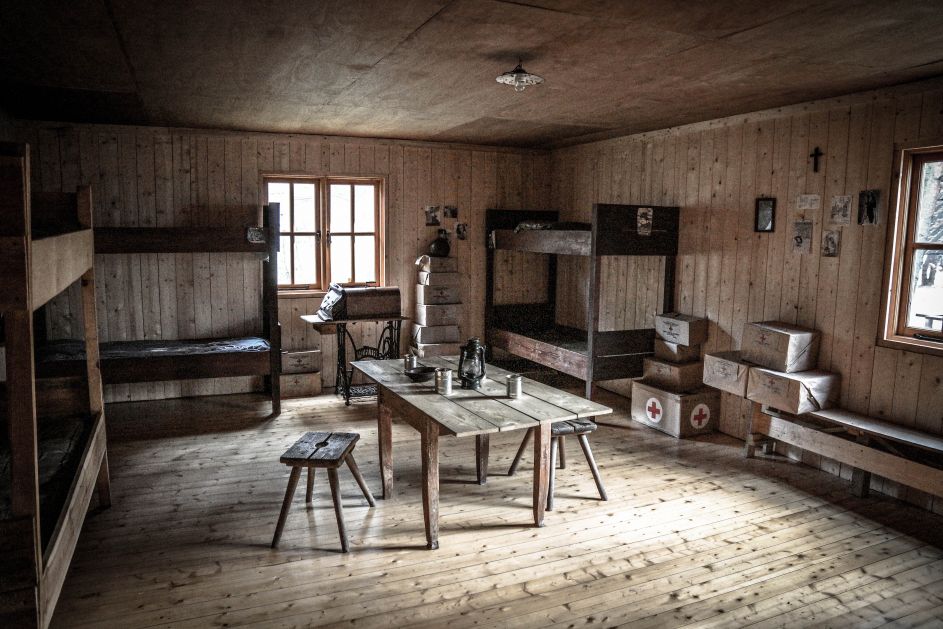
The modern museum and memorial area include:
- Reconstructed barrack interiors showing POW living quarters.
- A full‑scale replica of the Harry tunnel, including the entrance shaft.
- Guard towers and sections of the perimeter.
- Memorials to the murdered 50 officers.
- Original foundations, roads and the former North and Centre Compounds.
- Artefacts recovered during excavations.
The site is peaceful today — quiet forest, sandy soil and open clearings — which makes the contrast with the wartime history even more striking.
Atmosphere and reflections
Visitors often describe Stalag Luft III as one of the most unexpectedly moving WWII sites. Unlike Auschwitz or Płaszów, it is not a site of mass extermination. Instead, it is a story of resilience, engineering brilliance and tragic loss.
Walking the forest paths where the camp once stood, you can often hear nothing but wind in the trees. It is easy to imagine the prisoners counting footsteps, planning routes, working silently in the tunnels or whispering instructions during the escape.
How this fits into your wider visit
Stalag Luft III is farther from Kraków than other WWII sites, which is why we typically include it in a multi‑day route together with Riese, Gross‑Rosen, Głogów, Lower Silesia and the Sudetes. For aviation enthusiasts, engineers or anyone who loves the real story behind The Great Escape, it is a highlight.
Return to the history guide or view the tours page to see how this can be combined with your interests and timetable.