Wieliczka Salt Mine
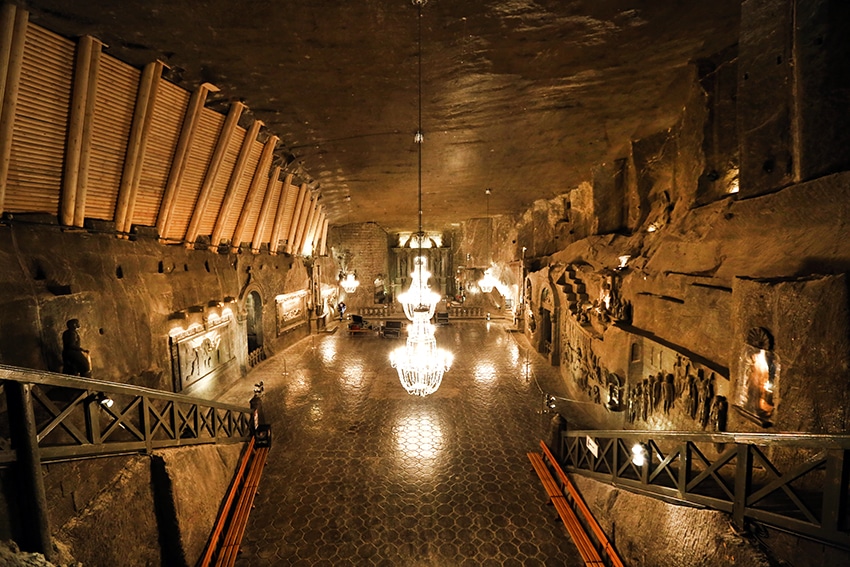
The Wieliczka Salt Mine is one of the most extraordinary heritage sites in Europe - not just because it is underground, and not just because it contains chapels, lakes, sculptures and tunnels, but because it represents over 700 years of human effort beneath the surface. For centuries, Wieliczka was one of Poland’s most important sources of wealth. Its salt financed royal courts, armies, trade routes and urban development. Its miners became famous for their skills, courage and the unique culture that developed underground.
Today the mine is a UNESCO World Heritage Site and one of the most visited attractions in the region. The modern tourist route takes you down carved staircases, along salt‑lined corridors and through vast chambers cut directly from the rock. You see chapels decorated with salt sculptures, enormous timber supports, underground lakes and engineering systems that kept this subterranean world functioning long before electricity.
This guide gives you an enjoyable, easy‑to‑read overview of the mine’s history - from geology to legends, medieval mining techniques, engineering, spirituality and the modern visitor experience. You do not need to memorise any of it. The aim is simply to help you enjoy the tour more once you’re underground.
The world beneath Kraków: how the salt formed
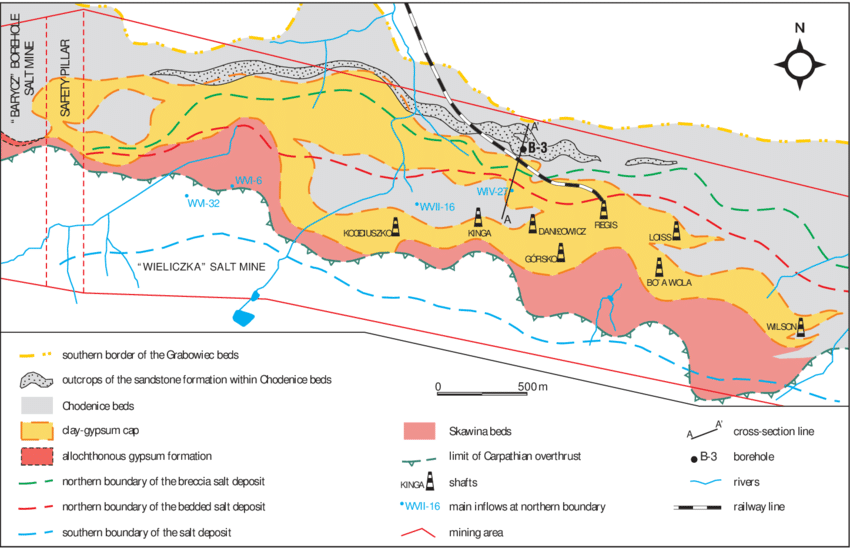
Millions of years ago, southern Poland looked nothing like it does today. Where Kraków and Wieliczka now stand, a prehistoric sea once covered the region. Over time, this inland sea evaporated in cycles. Each evaporation left behind thick layers of salt. These layers became buried, compressed and reshaped by geological forces. Eventually, they formed the salt deposits that miners would discover in the Middle Ages.
The most important thing to know is that this salt is not like the loose crystals sold in modern shops. It is rock salt - halite - found in solid blocks or sheets inside the earth. The miners carved into these blocks to extract it, gradually creating a subterranean labyrinth. The result is one of the largest and oldest continuously operating mines in the world.
Early discovery: from surface brine to deep tunnels
Long before shafts were dug, people in the region were already aware of salty springs pushing up to the surface. These brine sources were valuable: you could boil the water to extract salt. For ancient and medieval communities, salt was essential. It preserved food, sustained livestock and allowed long-distance travel of goods.
In the 11th and 12th centuries, organised salt production from brine was underway. But the real revolution came when miners began digging deeper and found solid rock salt. This allowed far greater production and higher quality. By the 13th century, Wieliczka had become a major economic engine for the Polish state.
The royal salt monopoly
For centuries, the mine was controlled by the Polish crown. Kings understood that salt was as valuable as silver or gold. Taxes and profits from Wieliczka financed medieval castles, wars, diplomatic missions and cultural projects.
Working in the mine was prestigious but dangerous. Miners formed a disciplined professional group, with their own customs, uniforms and even religious traditions. Some of these traditions survive symbolically today in the form of annual celebrations and blessings.
Life and labour underground
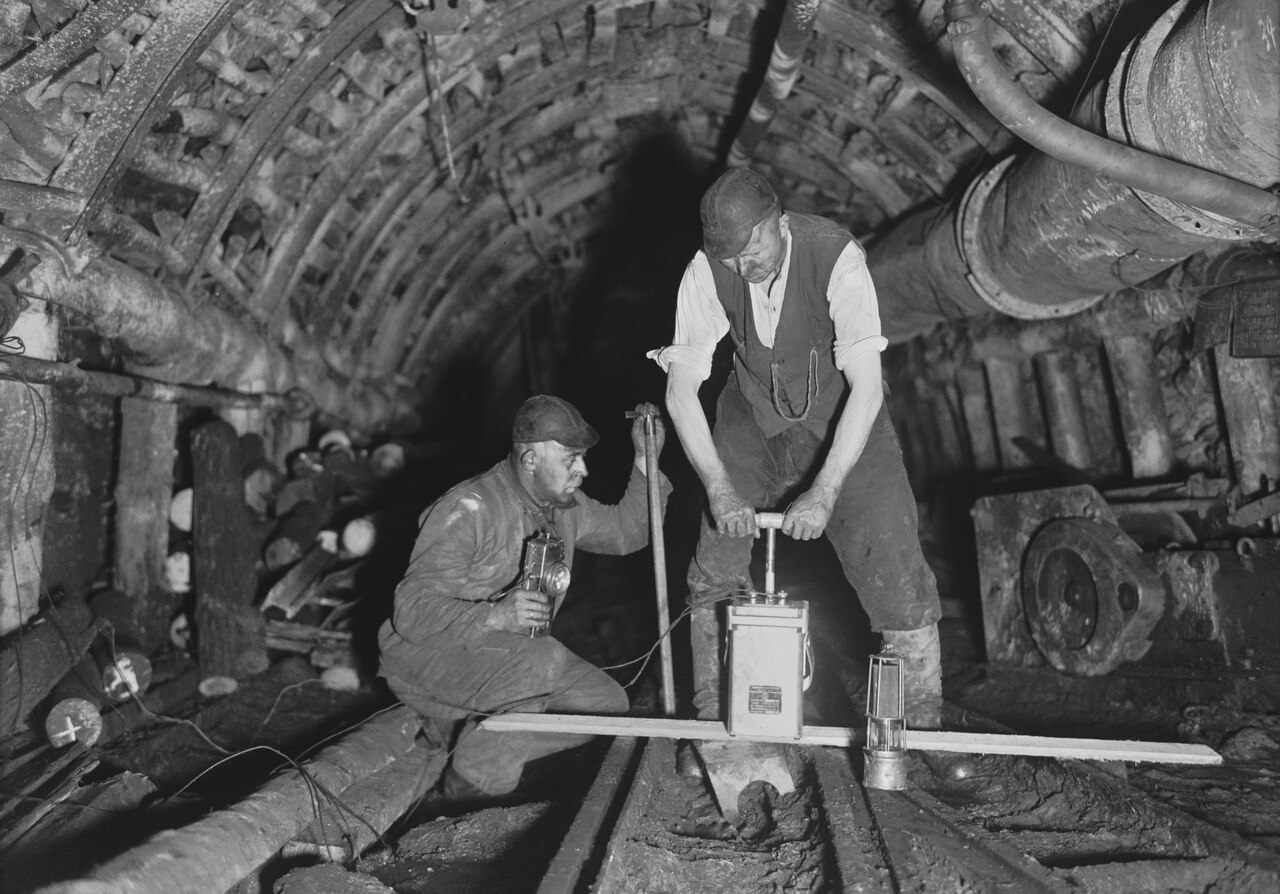
Mining in Wieliczka demanded physical strength, technical skill and constant innovation. Tunnels were cut using simple hand tools, lit by oil lamps or candles. Horses worked underground, hauling wagons of salt. Timber supports prevented collapses. Ventilation shafts brought in fresh air.
Miners often spent long hours in darkness, sometimes working barefoot for better grip on damp surfaces. They developed sophisticated signaling systems, drainage channels, pulley mechanisms and wooden hoists. What you see today - the smooth walls, carved staircases and braced ceilings - is the result of hundreds of years of problem‑solving beneath the surface.
Legends of Wieliczka
No deep historical site is complete without legends, and Wieliczka has a few beloved ones:
- Saint Kinga - According to legend, the Hungarian princess Kinga threw her engagement ring into a salt mine in her homeland. When she arrived in Poland, her miners dug into the ground and discovered a block of salt inside which her ring was embedded. This story, though symbolic, represents the royal connection to the mine.
- Guardian spirits - Miners believed in protective spirits called skarbnik. These guardians warned of danger, protected good miners and punished those who behaved badly.
While these stories are mythical, the chapel dedicated to Saint Kinga deep underground remains one of the mine’s greatest highlights.
The underground chapels
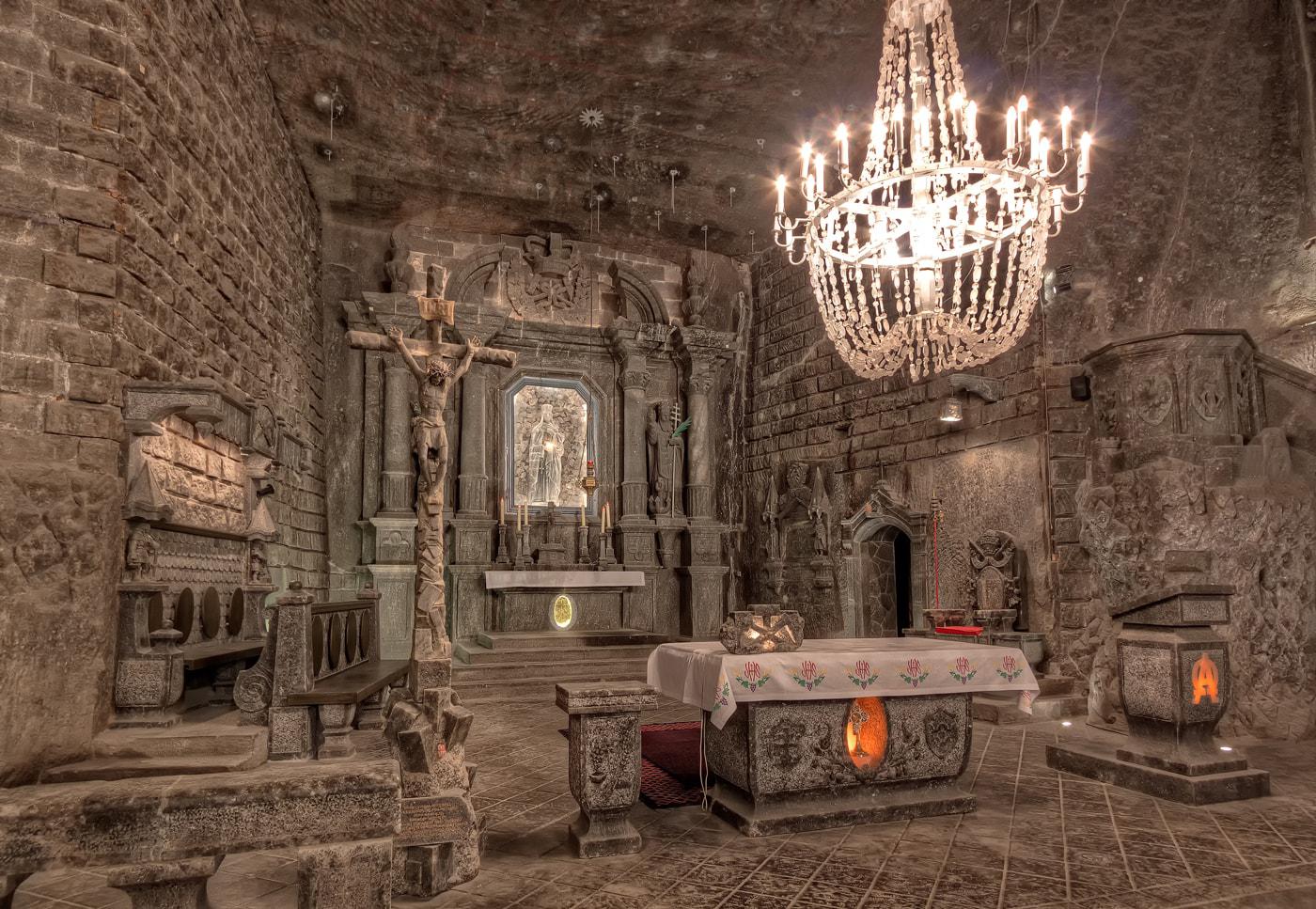
One of the most astonishing features of Wieliczka is its underground chapels - some small, some enormous - carved from rock salt by miners who combined religious devotion with artistic ability.
The most famous is the Chapel of St Kinga, a vast chamber adorned with salt chandeliers, intricate reliefs depicting biblical scenes, a salt altar and detailed sculptures. Everything you see - except the light bulbs - is made of salt.
These chapels were not tourist attractions originally. They were places where miners prayed for protection before long shifts underground, or where religious services were held on important feast days.
Engineering: how the mine worked
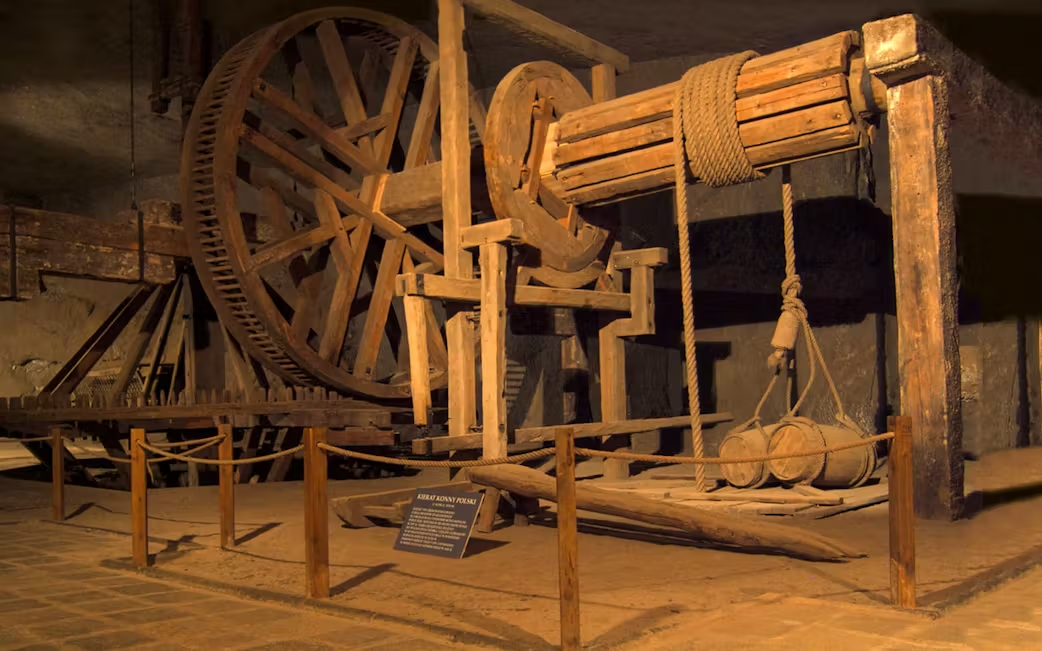
To manage such a vast mine, complex engineering solutions were required:
- Timber framing - Special white fir wood that resists salt corrosion was used to support ceilings and tunnels.
- Drainage systems - Water ingress was a constant threat. Underground channels directed water into collection points.
- Ventilation shafts - Fresh air was drawn into the mine via a series of vertical shafts.
- Horse mills - Underground horses powered lifting wheels that hauled heavy salt blocks.
Centuries of innovation helped create an extraordinarily stable underground world - one that continues to impress engineers today.
The tourist route: what you will see
The standard route covers about 3 km of tunnels, chambers and shafts, though the full mine spreads across over 300 km of corridors.
Your journey typically includes:
- Descent by staircase - Hundreds of wooden steps take you to the first level.
- Salt‑carved corridors - Smooth grey walls, often with visible crystal structures.
- Chambers with lakes - Including the famous underground lake with ghostly reflections.
- Historic machinery - Original wooden hoists, horse mills and pulley mechanisms.
- Chapel of St Kinga - The emotional centrepiece of the route.
- Large chambers - Some used for concerts, events and exhibitions.
At the end of the route, you take a fast elevator back to the surface - a welcome change after all those steps down.
Atmosphere underground
Visitors often comment on the pleasant micro‑climate of the mine: cool (around 14°C), slightly humid and rich in minerals. The air underground is considered good for respiratory health - historically, people with certain respiratory conditions were sent to special underground sanatoriums in Wieliczka.
The atmosphere is calm, quiet and gently lit. Even those nervous about enclosed spaces generally find the chambers to be spacious and comfortable.
UNESCO recognition
In 1978, Wieliczka became one of the first 12 sites ever inscribed on the UNESCO World Heritage List. The reasons include:
- its extraordinary age and continuity of operation,
- its unique underground architecture,
- its role in the economic history of Central Europe,
- and the craftsmanship of its chapels and sculptures.
The mine is now carefully preserved. Only selected areas are open to visitors, while the deeper zones remain under expert supervision.
A gentle contrast to Auschwitz
Many guests combine Auschwitz in the morning with Wieliczka in the afternoon. These two sites could not be more different - one is a place of profound tragedy; the other, a place of human ingenuity, artistry and engineering. The contrast gives emotional balance to the day.
Practical notes for your visit
- Wear good shoes - Surfaces are generally flat, but you will walk a lot.
- Temperature - It remains cool year‑round.
- Photography - Allowed in most areas.
- Claustrophobia - Chambers are large; most guests have no difficulty.
When you return to the history guide, you can continue exploring how the Mine fits into a wider itinerary - alongside Auschwitz, Płaszów, Schindler’s Factory and journeys into Lower Silesia.