Colditz Castle (Oflag IV-C): the real story behind the legend
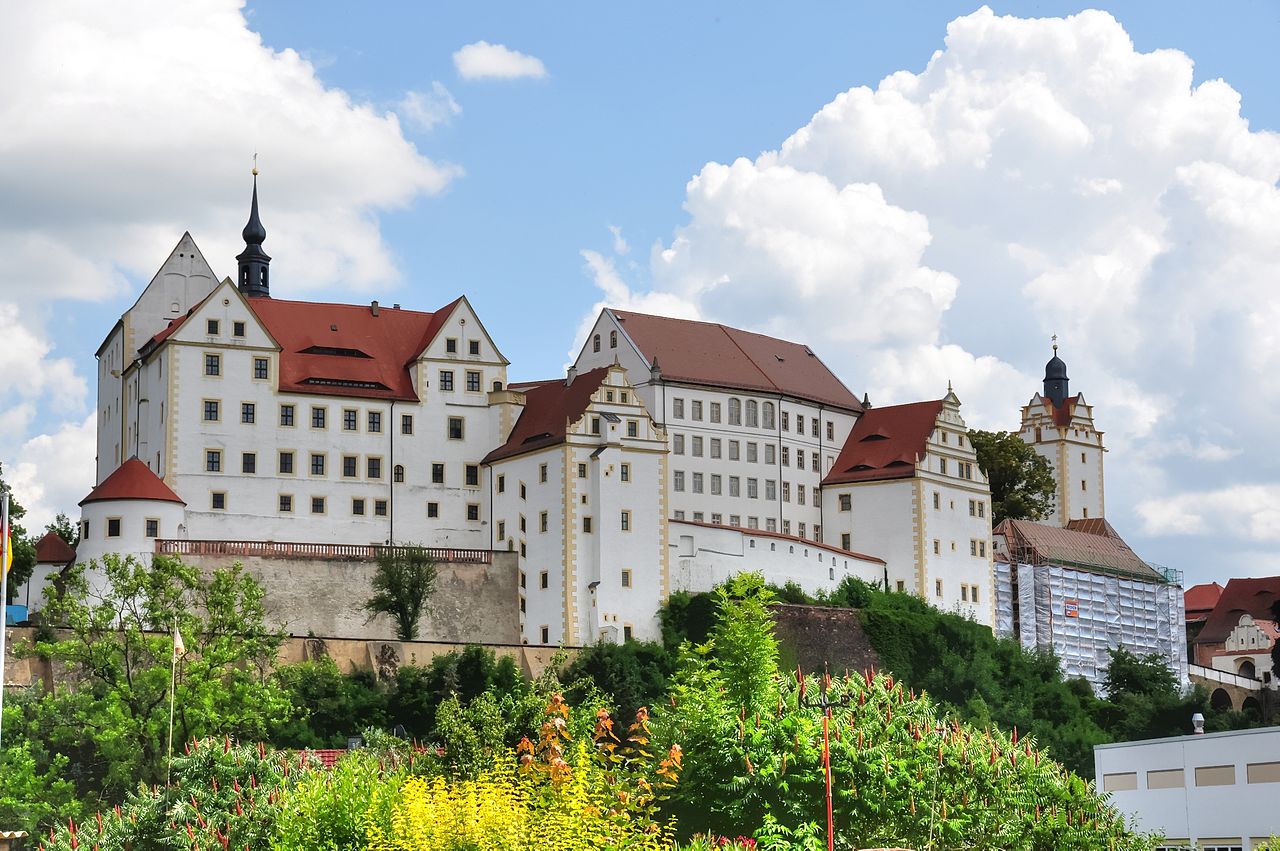
Colditz Castle sits above the River Mulde in Saxony, Germany. For centuries it was a fortress, a residence, a symbol of authority. In the Second World War it gained a different reputation: the place the Germans used when they were tired of officers who kept escaping. Colditz became Oflag IV-C - a high-security prisoner-of-war camp for “problem” Allied officers - and it entered popular memory as the “escape castle”.
That reputation is partly deserved, partly exaggerated, and still genuinely fascinating. Colditz is one of those sites where the story is bigger than a single building. It’s about morale, ingenuity, boredom, discipline, propaganda, rules of war, and the strange theatre that can appear inside a prison when both sides decide (mostly) to follow the Geneva Convention.
This guide is written the way we like to host: clear, respectful, and paced so you come away understanding what Colditz was, without turning it into a cartoon adventure.
Why Colditz became “the officer camp for escape artists”
“Oflag” is short for Offizierslager - a German POW camp specifically for officers. Officers were held separately from enlisted men and, under the rules of war, were generally not forced into manual labour. That detail matters: when officers had time, education, and a strong sense of identity, escape became part of the job description. Not for everyone, but for enough people that the Germans had to respond.
In 1940, the German Army designated Colditz Castle as a special kind of camp - often described as a Sonderlager, a “special camp” intended for the most escape-prone prisoners. It’s regularly repeated that Hermann Göring called Colditz “escape-proof”. Whether you treat that as a boast, a line of propaganda, or a challenge depends on your mood - but the point is: Colditz was meant to be the end of the road.
What followed is the part people remember: disguises, forged documents, hidden radios, tunnels, dummy guards, improvised tools, elaborate decoys and constant games of cat-and-mouse. But it’s important to hold two truths at once: most escape attempts failed, and most days were monotonous. Colditz was cold, cramped and deeply repetitive. The “never a dull moment” myth is part of what later made Colditz famous.
The “Colditz Myth” vs the reality
After the war, Colditz became a cultural phenomenon, especially in Britain and the Netherlands. Memoirs, films and TV adaptations turned it into a kind of ultimate adventure story. But historians and archives have spent decades pulling the picture back toward reality. The prisoners were clever and determined, yes - but they were also hungry, frustrated, and often stuck for years.
Even the numbers are debated. Depending on how you count “successful”, sources often cite that between about 30 and 36 men ultimately made it out successfully, but definitions vary. Some count only “home runs” escaping directly from the castle grounds; others include successful escapes after transport or hospital stays.
In other words: Colditz is remarkable, but not because it was a constant stream of victories. It’s remarkable because the prisoners kept trying, again and again, under intense constraint - and because Colditz became a stage on which discipline, ingenuity and psychology played out every day.
How escapes really worked (and why so many failed)
A successful escape needed more than bravery. It needed time, coordination, language skills, forged papers, a credible cover story, a route to a border, and the ability to survive once outside. Inside the castle, that meant organisation. Certain prisoners became “escape officers”, coordinating different national groups so they didn’t ruin each other’s plans. They managed materials, timing, lookouts, and secrecy - and sometimes they were not allowed to escape themselves because their job was to keep the whole machine running.
Disguise was a favourite tactic because it could bypass walls and wire. It was also extremely risky: uniforms had to be convincing at close range, movements had to be confident, and a single unexpected question could collapse everything. Some men escaped dressed as guards; others attempted more theatrical disguises. Many of those attempts ended with a quick return to Colditz and stricter security.
Tunnelling was the other classic method, but Colditz was not a friendly place to tunnel. The ground conditions, the castle foundations, and constant German counter-measures made it brutal work. One long French tunnel project became legendary, and stories like this are exactly what created the Colditz mystique.
Airey Neave and the “walk-out” style escape
One of the most famous Colditz escapes is linked to Airey Neave, who is often described as the first British officer to escape from Colditz. He escaped in January 1942 by leaving the castle in disguise with Dutch officers, travelling by train and on foot toward Switzerland, and eventually making it home via a long route through Europe and Gibraltar.
Why does this matter for understanding Colditz? Because it shows what “escape” really meant. Getting out of the castle was only the beginning. You then had to cross a heavily policed country in wartime, blend in for days, and somehow reach a neutral border. That is why language skills and local knowledge were gold, and why mixed-nationality escape teams were sometimes formed.
The Colditz Glider: brilliant engineering, perfect timing, and a war that ended first
The escape story everyone loves is the glider. The Colditz Cock was a two-man glider built by British POWs for a planned escape from the castle roof. It’s one of those ideas that feels too cinematic to be true - which is exactly why it stuck. The glider was real, it was designed for a specific launch plan, and it became a symbol of what prisoners could do with limited materials and a lot of quiet determination.
The twist is also part of the legend: the glider never flew. The war ended before the attempt could be carried out. That doesn’t make the story smaller. If anything, it makes it more haunting. Colditz is full of that kind of unfinished energy: plans, tunnels, maps, routines, hopes, habits that were meant for a world that was still at war.
The German side: security, rules, and a complicated “civility”
A mature visit to Colditz means looking at the German side too, without romanticising it. Colditz was run by the Wehrmacht (German Army), not the SS, and - compared with the Nazi camp system - POW camps operated under a different set of rules and inspections. There were inspections by neutral observers, disputes, negotiations, and a constant push and pull about rights and restrictions.
Some German officers at Colditz became well-known in prisoner memoirs and later research, partly because they were consistent opponents: intelligent, strict, sometimes even ironic, and deeply invested in the idea that Colditz should remain “orderly”. This is where Colditz becomes morally complicated: it could be comparatively “civil” while still being part of the same Nazi war machine.
That contrast becomes sharper when you remember that just down the road, the Third Reich’s brutality was fully visible in other forms of imprisonment and forced labour. Colditz should never be used to soften what Nazi rule meant overall. It’s better understood as a case study in how differently people were treated depending on who they were, what category they fell into, and what the German state wanted from them.
What Colditz represents for visitors today
Colditz is not only “an escape place”. It’s also a reminder that wartime Europe wasn’t one single experience. The castle has been reframed in recent years with more emphasis on context, on the rules of war, and on the human reality behind the myth - including the boredom, anxiety and psychological strain that didn’t make it into the most famous stories.
If you visit after spending time in Poland’s major WWII sites, Colditz can feel like a shift in tone: still a prison, still wartime, but with a different kind of historical lesson. For many guests, it becomes a useful “connector” site when doing a multi-day route that links places across modern borders - showing how wide the war’s geography really was.
Quick facts you can remember (and tell someone later)
- Oflag IV-C was a prisoner-of-war camp for Allied officers inside Colditz Castle in Saxony, Germany.
- The camp was used as a high-security “special camp” for repeat escapees and officers considered difficult to control.
- Escape figures vary by definition, but historians commonly cite around 30–36 successful escapes from Colditz.
- The famous Colditz Glider was real, but it was never flown because the war ended before the escape attempt could take place.
- Airey Neave is often cited as the first British officer to escape successfully from Colditz, in early 1942.
How Colditz fits into a bigger WWII journey
Colditz makes the most sense when it’s part of a wider route that links Poland and Germany and shows how the war crossed the region: Auschwitz-Birkenau and Kraków’s wartime sites, then Lower Silesia’s tunnels and castles, then onward toward Dresden and Colditz. You stop thinking in “single famous locations” and start seeing the map the way people at the time experienced it: long distances, shifting borders, rail lines, camp systems, military zones and cities under pressure.
If you’d like to include Colditz in a multi-day plan, send us your dates and group size via the contact page. We’ll suggest a sensible pacing and a route that fits the rest of your trip.